

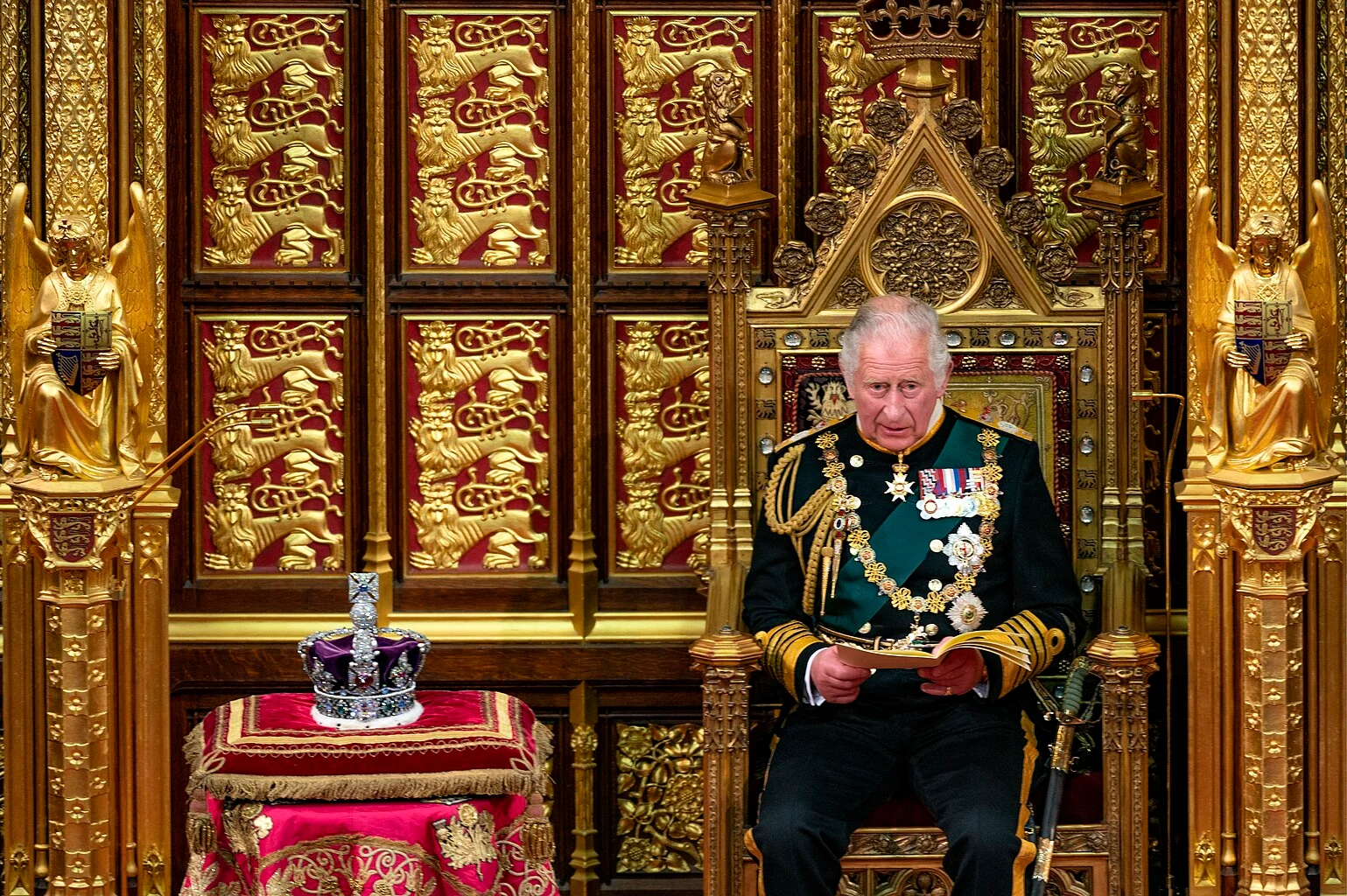
King Charles III delivered his first King’s Speech on July 17, 2024, under a Labour government, setting the legislative agenda for Prime Minister Sir Keir Starmer. This ceremonial address, marking the start of a new parliamentary year, reflects the Labour government’s priorities following their resounding victory in the general election. A significant emphasis of the speech was on housing and planning, aligned with Labour’s manifesto commitments.
Housing and Planning: Central to Labour’s Vision
Planning and Infrastructure Bill
A major highlight of the King’s Speech was the introduction of the Planning and Infrastructure Bill, aimed at reforming and accelerating the planning process to meet the ambitious target of building 1.5 million new homes over the next five years. This bill seeks to simplify and speed up planning permissions, support local planning authorities, and reform compulsory purchase order rules. Prime Minister Starmer emphasised that these reforms are essential to “taking the brakes off” the UK economy, though the proposal has faced concerns about potential impacts on the Green Belt.
Rental Reforms
In addition to boosting homebuilding, the government is focused on improving conditions for renters. The speech outlined plans to abolish no-fault evictions, ensuring greater stability for tenants. Reforms to leaseholds, including increasing the standard lease extension term and reducing ground rents, are also on the agenda to enhance the rights of leaseholders.
Affordable Housing and Homeownership
Labour’s commitment to affordable housing was reiterated with plans to expand affordable homeownership schemes and increase the stock of social housing. The government aims to ensure that new housing developments include a substantial proportion of affordable homes, making homeownership more accessible to young and low-income families.
Sustainable Development
The government is also prioritizing sustainability in housing development. The Planning and Infrastructure Bill includes provisions to support the construction of environmentally friendly homes, aligning with Labour’s broader climate goals. Initiatives to promote energy efficiency and the use of sustainable building materials are expected to play a key role in new housing projects.
Labour’s Broader Legislative Agenda
Economic and Employment Reforms
The Employment Rights Bill was a cornerstone of the speech, promising enhanced workers’ rights, job security, fair wages, and better workplace conditions. This bill aims to address economic inequality and promote social justice, reversing years of austerity measures.
Transport and Energy
The creation of Great British Railways (GBR) marks a significant shift in transport policy, aiming to centralise control and improve rail services. The government also plans to invest in rail infrastructure, enhancing connectivity and reliability to support economic growth and the net-zero agenda. The establishment of Great British Energy underscores Labour’s commitment to energy independence and sustainability, focusing on renewable energy sources.
Healthcare and Social Policies
The speech also outlined initiatives to reduce NHS waiting times, improve mental health services, and modernise the Mental Health Act. Measures to raise educational standards, promote children’s wellbeing, and provide free school meals were also highlighted.
International Relations and Security
The government reaffirmed its support for Ukraine and emphasised global cooperation in tackling challenges like terrorism and cyber threats. The speech underscored the UK’s commitment to international peace and security.
Climate and Environment
The Sustainable Aviation Fuel Bill and the Water Bill aim to promote cleaner energy in aviation and improve water quality, respectively, reflecting Labour’s environmental priorities.
Policing and Border Security
The new Border Security Command and enhancements to counter-terror powers aim to tackle organised immigration crime. The Crime and Policing Bill will strengthen community policing and address antisocial behaviour.
Devolution and Governance
The English Devolution Bill will grant new powers to metro mayors and combined authorities to support local economic growth. The Hillsborough Law will introduce a duty of candour for public servants, and reforms to the House of Lords will remove voting rights of hereditary peers.
Conclusion
King Charles III’s first speech under the Labour government outlined an ambitious agenda focused on housing, planning, economic reform, social justice, healthcare, and environmental sustainability. With a significant majority in the Commons, Prime Minister Starmer aims to rapidly implement these changes, ensuring that the legislation is thoroughly vetted and of high quality. This transformative agenda reflects Labour’s vision for a more equitable and sustainable future for the UK.