

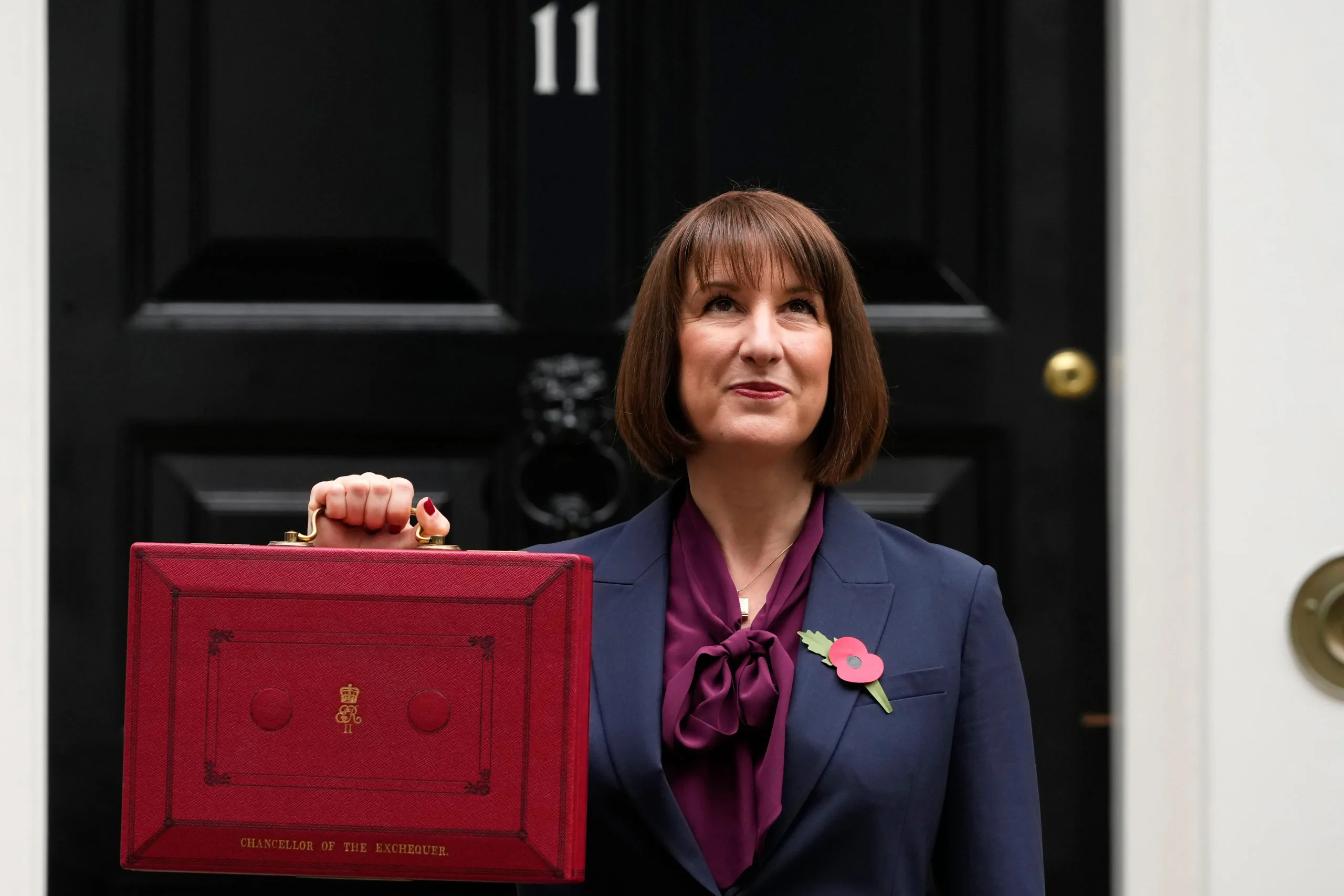
Today, Chancellor Rachel Reeves took to the despatch box for Labour’s first Autumn Budget since the days of Gordon Brown, aiming to tackle the “fiscal hole” they’ve attributed to the previous Conservative government while delivering on promises to rebuild and reform public services. This budget is marked by a blend of hefty spending on the NHS, schools, and infrastructure, balanced by revenue-raising measures carefully chosen to avoid breaking Labour’s election pledge not to raise income taxes directly. Here’s a run-through of the main points and what it might mean for businesses across the UK.
Key Budget Measures and the Impact on UK Business
- Big Investments in Public Services
Reeves announced substantial new funding for the NHS, with £22.6 billion earmarked to address waiting lists and staffing shortages, and a promise of 40,000 additional medical appointments. This could be a boon for healthcare suppliers and tech firms involved in medical infrastructure, as the government may rely on private sector partners to help meet these targets.
Education also received a cash injection, with a planned £6.5 billion increase over the next four years, including significant funding for school building repairs and an impressive 300% boost to breakfast clubs for primary children. For construction firms and providers in the education sector, these moves indicate opportunities ahead.
- Taxes Tweaks Without (Directly) Raising Income Taxes
Labour pledged not to increase income taxes at the last election, and Reeves has technically kept this promise. Instead, the Chancellor opted to freeze income tax thresholds—effectively pulling more people into higher tax brackets as wages rise. Capital gains tax (CGT) rates also saw a nudge upward, which could affect high-income earners and sectors such as property and investment.
Employers, however, aren’t off the hook, with an increase in National Insurance Contributions (NICs) on the cards. While NIC increases for employees are untouched, the higher cost to employers could impact businesses’ bottom lines, especially those with large workforces or tight margins. This is Labour’s attempt to secure more revenue without directly burdening middle-income earners, and a way of keeping the promise to avoid overt income tax hikes.
- Levelling Up and Regional Investments
Greater Manchester and the West Midlands will receive more fiscal autonomy, and £650 million is slated for local transport upgrades, including the much-anticipated TransPennine Rail project. The investment is part of Labour’s effort to breathe life into regions often overlooked in favour of London-centric policies. This spending may create opportunities for contractors in infrastructure and construction while helping to balance growth across the country.
Notably, Reeves also committed to green energy projects, with funding for carbon capture and hydrogen initiatives—a nod to sustainability as a priority. The continuation of energy investment allowances and decarbonisation relief signals Labour’s commitment to a greener future, though this may take years to translate into measurable benefits for most industries.
Reeves committed to addressing housing supply with new policies aimed at streamlining the planning system and supporting affordable housing initiatives. Central to this approach is the reintroduction of mandatory housing targets for local authorities, designed to accelerate housing development in areas with high demand. The government’s goal is to encourage the construction of 1.5 million homes by the end of the current Parliament, which will require coordinated efforts between local councils and developers..
Additionally, there are new incentives to promote development on brownfield sites, with the aim of revitalizing urban areas without impacting green spaces. These measures have been positively received by the construction sector, which sees the proposed reforms as an opportunity to reduce bureaucratic delays in planning approvals and drive forward long-term housing projects. Industry bodies, including the National Housing Federation and Royal Institute of British Architects, have endorsed these changes, noting that streamlined planning and a focus on social and affordable housing are critical steps toward addressing the UK’s housing crisis.
This approach signals a clear direction for the construction industry, creating new opportunities particularly in urban regeneration and affordable housing projects, and it is expected that further consultations will be held to ensure these targets are met effectively.
The Political Calculus: What Reeves is Aiming For
The Budget’s design reflects Labour’s cautious approach to fiscal responsibility, painting itself as a capable steward of the economy after the turbulence under Conservative leadership. Reeves’ budget aims to position Labour as both progressive and prudent, keeping promises to invest heavily in public services and infrastructure while avoiding drastic tax increases that could unsettle businesses or the middle class. By attributing today’s fiscal “black hole” to Conservative mismanagement, Labour is framing its spending as necessary repair work on what it deems a broken system.
The freeze on income tax thresholds—a sly way to raise revenues—seems crafted to avoid spooking Labour’s base, while CGT and NIC hikes subtly shift the burden toward the affluent and employers without directly impacting individual wage-earners too severely. The tactic is clear: meet revenue needs through incremental tax adjustments, protecting core voters while courting credibility with business leaders who might otherwise fear sweeping tax changes.
Reactions from the Opposition
Rishi Sunak and the Conservatives wasted no time in criticising the budget, arguing that these tax increases could ultimately stifle economic growth. Sunak framed Labour’s approach as economically risky, suggesting that higher taxes and spending commitments would burden businesses and potentially dissuade investment. Conservatives continue to advocate for austerity-style cuts and tax reductions, arguing that Labour’s approach could see the country accumulate further debt.
Sunak also warned that Labour’s NIC increase for employers could hinder growth just as businesses are beginning to find their footing post-COVID. However, with Labour holding firm on its no-new-income-tax promise, Sunak’s critique may struggle to resonate widely with the electorate.
Omissions and Surprises
Some anticipated measures didn’t make the cut. Rumours about potential cuts to pension tax relief, which could have affected higher earners, proved untrue. Reeves also left VAT untouched—a potential lever she may have considered too politically risky to pull, given the impact a VAT increase would have on the cost of living.
Healthcare funding, though substantial, may still be seen as short-term patchwork rather than the fundamental reform some hoped for. And while Reeves allocated funding for infrastructure and levelling-up projects, it’s clear that the regional investments won’t materialise overnight. For businesses, the focus on longer-term infrastructure and green energy investment may mean an extended timeline before tangible economic impacts emerge.
Final Thoughts for UK PLC
For CEOs and business leaders, the Autumn Budget 2024 offers a mixed bag. The increased spending on healthcare, education, and infrastructure presents potential contract opportunities, particularly for sectors like construction, transportation, and digital health. However, the tax adjustments—particularly in CGT and employer NICs—signal increased costs on the horizon for many businesses.
Reeves’ approach appears carefully calculated to appeal both to Labour’s voter base and to the business community, steering clear of radical tax hikes while delivering on election promises to rejuvenate public services. Yet, the freeze on income tax thresholds, CGT rises, and NIC increases could create a quieter tax burden that grows over time, and businesses should brace for an era of incremental taxation as Labour seeks to fill fiscal gaps without unsettling its voter base.
In the end, this budget aims to present Labour as the competent alternative to the Conservatives, striking a balance between social investment and fiscal prudence. For UK PLC, the message is clear: Labour is open for business but expects businesses to contribute more to keep the wheels turning.